
How Nutrition Impacts Your Jump
Your vertical jump depends on explosive muscle contractions that require proper fuel and building blocks. Research from the American College of Sports Medicine shows that athletes who optimize their nutrition can improve power output by 3-5% compared to those with poor dietary habits.
Key Nutritional Priorities
Protein: Aim for 1.6-2.2g per kg of bodyweight daily to support muscle repair and growth. Quality sources include lean meats, fish, eggs, and legumes.
Carbohydrates: Your muscles store glycogen for explosive movements. Consume 4-7g per kg bodyweight, focusing on complex carbs like oats, rice, and sweet potatoes.
Healthy Fats: Essential for hormone production (including testosterone). Include sources like avocados, nuts, and olive oil.
Micronutrients: Vitamin D, magnesium, and zinc support muscle function and recovery. Deficiencies can impair performance.
Timing Matters
Eat a balanced meal 2-3 hours before training. Post-workout, consume protein and carbs within 2 hours to maximize recovery and adaptation.
The Bottom Line
No supplement or superfood will replace consistent training, but proper nutrition creates the foundation for your body to adapt and improve. Focus on whole foods, adequate protein, and proper hydration before considering any supplements.
This information is for educational purposes only. Individual nutritional needs vary. Consult a registered dietitian for personalized advice.
Disclaimer
This article is for informational purposes only and does not constitute medical advice. Individual results may vary. Consult a qualified professional before starting any training program.
Ready to measure your jump?
Find out your vertical jump height in 60 seconds
Related Articles

Creatine for Vertical Jump: Does It Actually Help?
Scientific analysis of creatine supplementation for vertical jump improvement. Learn how creatine works, proper dosing, and realistic expectations.
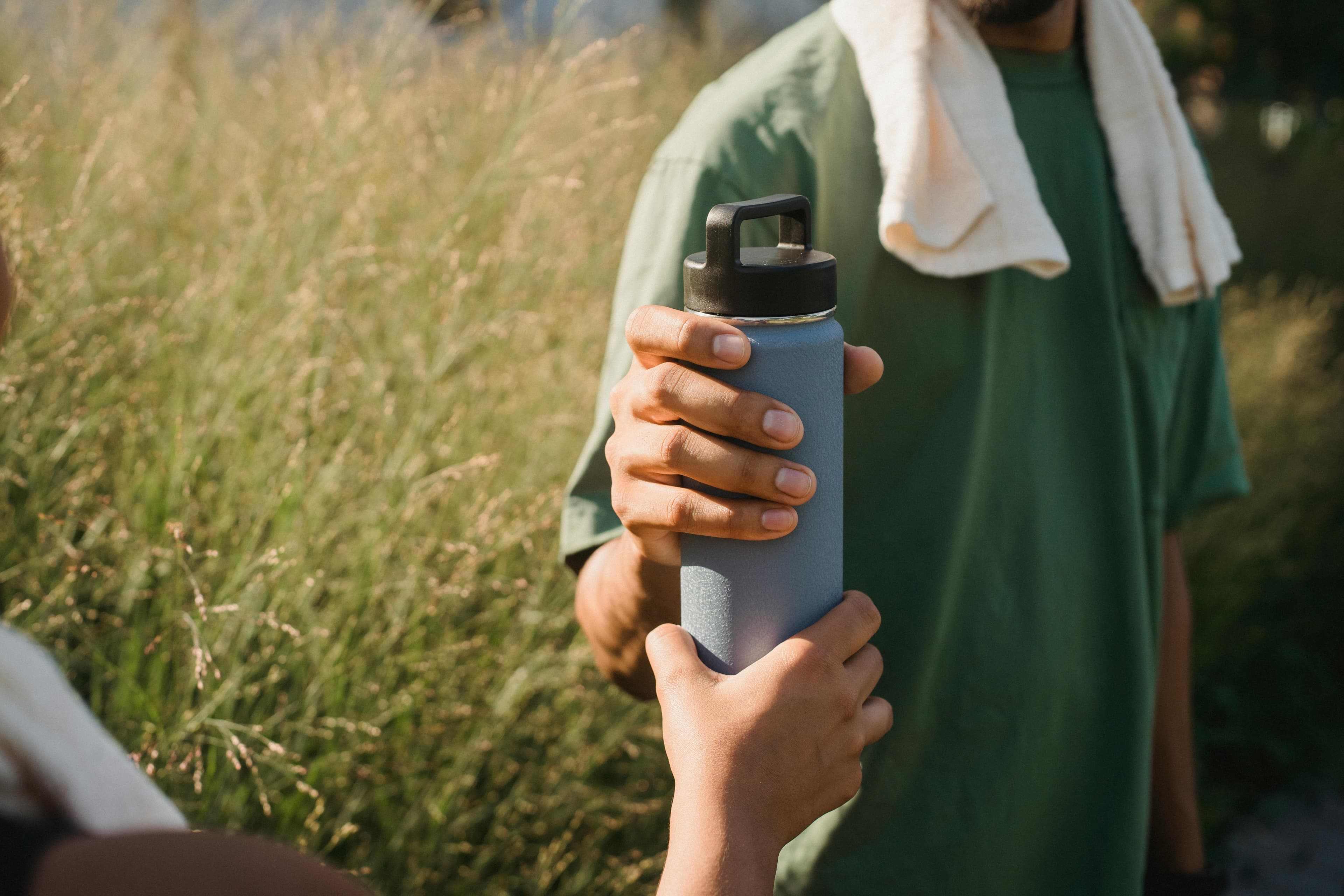
Hydration for Jump Training: How Water Affects Your Vertical
Learn how hydration impacts vertical jump performance. Discover optimal fluid intake strategies before, during, and after jump training sessions.

Protein for Vertical Jump: How Much Do You Really Need?
Learn the optimal protein intake for vertical jump training. Discover how protein supports muscle growth, recovery, and explosive power development.