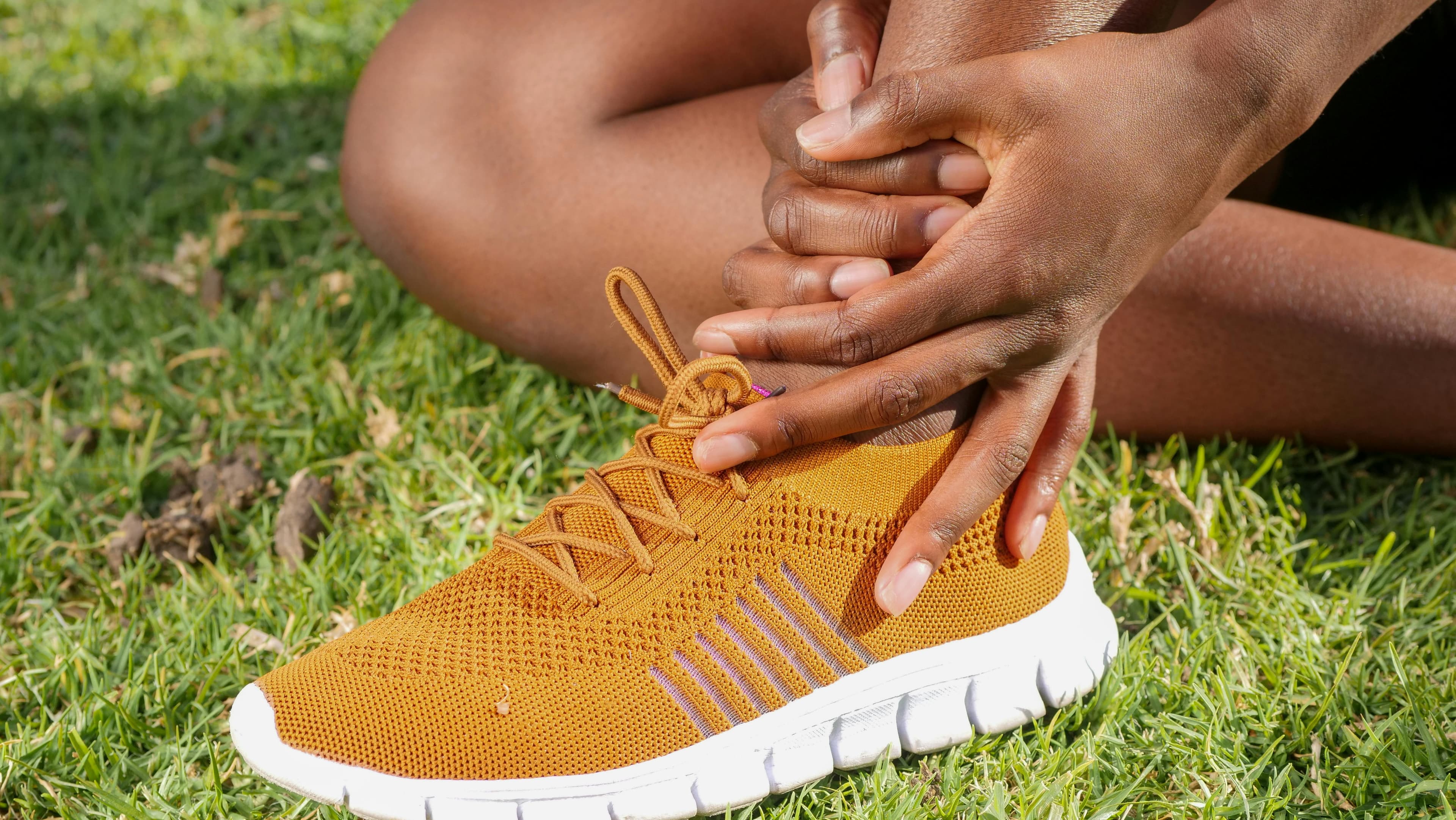
The Ankle Brace Debate
Ankle braces are controversial in jumping sports. They reduce injury risk but may slightly affect performance. Research shows braces reduce ankle sprain risk by 40-70%, but can decrease vertical jump by 1-2% in some athletes.
When to Wear Ankle Braces
Recommended:
Not necessary:
Types of Ankle Support
Lace-up braces: Most common, good balance of support and mobility. Examples: ASO, McDavid.
Rigid braces: Maximum support, most restrictive. Best for severe instability.
Compression sleeves: Minimal support, mainly proprioceptive feedback. Won't prevent sprains.
Athletic tape: Effective but requires proper technique and reapplication.
Impact on Vertical Jump
Studies show mixed results:
The performance cost is usually worth the injury prevention for at-risk athletes.
Choosing the Right Brace
For jumping athletes, prioritize:
The Best Prevention
Ankle braces are a tool, not a solution. Combine with:
See our injury prevention guide for more on protecting your joints.
This information is for educational purposes only. Consult a sports medicine professional for personalized recommendations, especially after injury.
Disclaimer
This article is for informational purposes only and does not constitute medical advice. Individual results may vary. Consult a qualified professional before starting any training program.
Ready to measure your jump?
Find out your vertical jump height in 60 seconds
Related Articles
Best Basketball Shoes for Vertical Jump: Performance Guide
Find the best basketball shoes for maximizing your vertical jump. Compare features, technologies, and what elite players wear for explosive performance.

Best Shoes for Vertical Jump: What to Look For
Guide to choosing the best shoes for vertical jump training and testing. Learn which features matter most for maximizing your jumping performance.
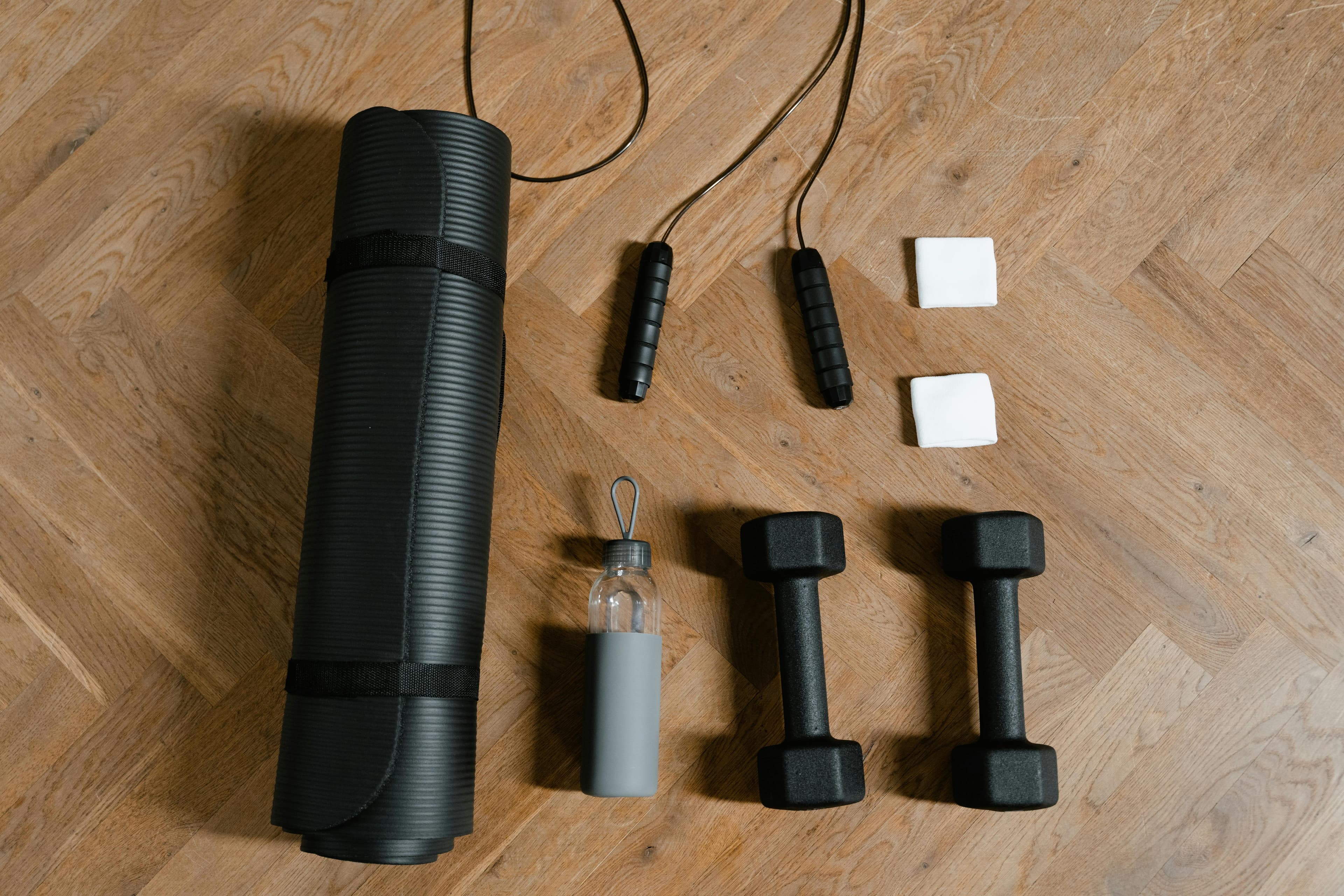
Jump Training Equipment for Home: Essential Gear Guide
Complete guide to home jump training equipment. Learn what gear you actually need to improve your vertical jump without a gym membership.