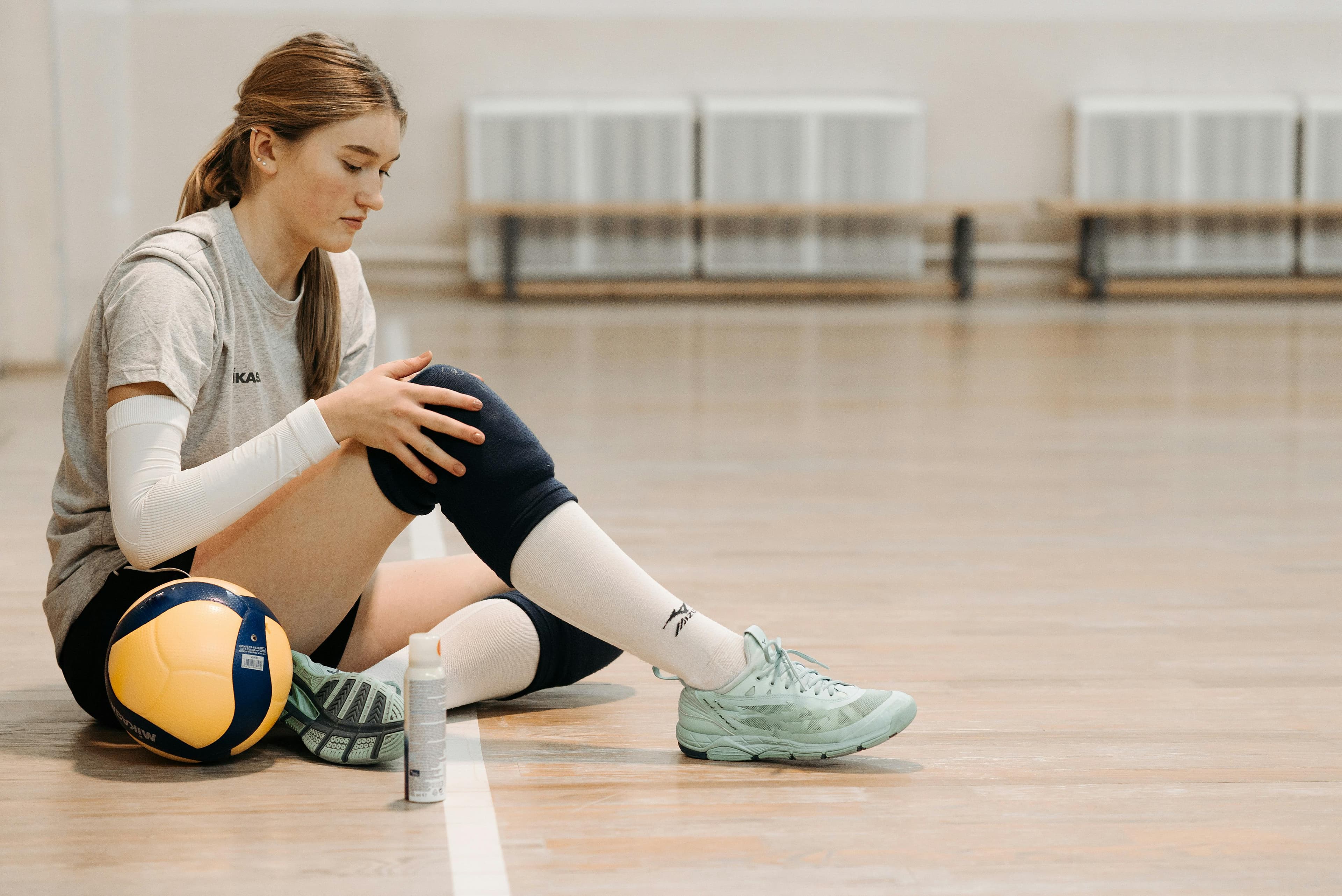
The Key to Knee Health
Preventing knee pain is far easier than treating it. Research shows that athletes who follow proper training principles and landing mechanics have 50-70% lower rates of knee injuries compared to those who don't.
Master Your Landing Mechanics
Poor landing is the primary cause of jumping-related knee injuries.
Proper landing technique:
Practice: Do 2-3 sets of 10 controlled drop landings from a low box before every plyometric session.
Strengthen Key Muscles
Quadriceps: Strong quads protect the patellar tendon. Include squats, leg press, and step-ups.
Hamstrings: Balance quad strength with Romanian deadlifts and leg curls.
Glutes: Hip strength reduces knee stress. Add hip thrusts, clamshells, and lateral band walks.
Calves: Strong calves absorb landing forces. Include calf raises in your routine.
Programming for Knee Health
Daily Habits
Listen to Your Body
Minor discomfort that resolves quickly is normal. Persistent or worsening pain is a warning sign. Reduce training load at the first sign of knee issues—don't push through pain.
This information is for educational purposes only. Individual injury risk varies. Consult a sports medicine professional for personalized prevention strategies.
Disclaimer
This article is for informational purposes only and does not constitute medical advice. Individual results may vary. Consult a qualified professional before starting any training program.
Ready to measure your jump?
Find out your vertical jump height in 60 seconds
Related Articles

Ankle Sprain Prevention for Basketball: Protect Your Ankles
Learn how to prevent ankle sprains in basketball and jumping sports. Evidence-based strategies including exercises, taping, and proper footwear.
Jumper's Knee Treatment: Recovery Guide for Athletes
Evidence-based treatment options for jumper's knee (patellar tendinopathy). Learn rehabilitation exercises, recovery timelines, and when to seek help.
Knee Pain from Jumping: Causes, Prevention, and Solutions
Understanding knee pain from jumping activities. Learn the common causes, warning signs, and evidence-based strategies to protect your knees.