
Do Weighted Vests Improve Vertical Jump?
Research shows that weighted vest training can improve vertical jump by 2-4 cm (0.8-1.6 inches) over 6-8 weeks when properly programmed. The added resistance increases the training stimulus, forcing your muscles to generate more force.
Benefits of Weighted Vest Training
Increased force production: Your muscles must work harder against the added weight.
Sport-specific loading: Unlike barbells, vests allow natural jumping mechanics.
Versatility: Use for jumps, sprints, stairs, and bodyweight exercises.
Progressive overload: Easily adjust weight as you get stronger.
How Much Weight to Use
Beginners: Start with 5-10% of bodyweight (8-15 lbs for most people)
Intermediate: Progress to 10-15% of bodyweight
Advanced: Up to 20% of bodyweight for some exercises
Never exceed 20% for jumping exercises—injury risk increases significantly.
Best Exercises with Weighted Vest
Programming Guidelines
Choosing a Weighted Vest
Key features:
Budget: $50-150 for a quality adjustable vest (10-40 lbs capacity)
Safety Considerations
Weighted plyometrics increase joint stress. Ensure you have:
This information is for educational purposes only. Start conservatively and progress gradually. Consult a coach or trainer if unsure about proper technique.
Disclaimer
This article is for informational purposes only and does not constitute medical advice. Individual results may vary. Consult a qualified professional before starting any training program.
Ready to measure your jump?
Find out your vertical jump height in 60 seconds
Related Articles
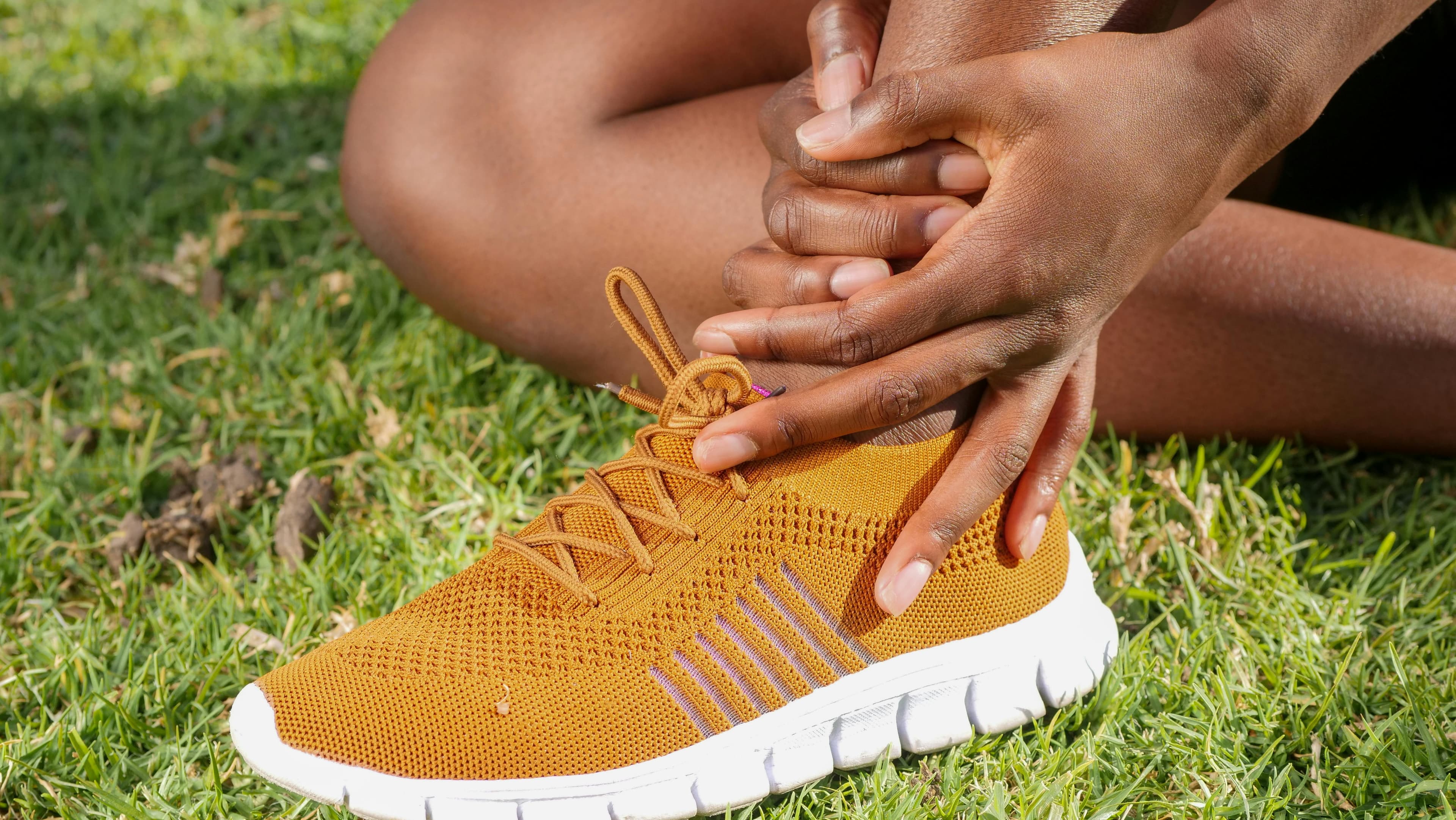
Ankle Braces for Jumping: Do They Help or Hurt Performance?
Should you wear ankle braces for jumping? Learn how ankle support affects vertical jump performance and when braces are recommended.

Best Basketball Shoes for Vertical Jump: Performance Guide
Find the best basketball shoes for maximizing your vertical jump. Compare features, technologies, and what elite players wear for explosive performance.

Best Shoes for Vertical Jump: What to Look For
Guide to choosing the best shoes for vertical jump training and testing. Learn which features matter most for maximizing your jumping performance.