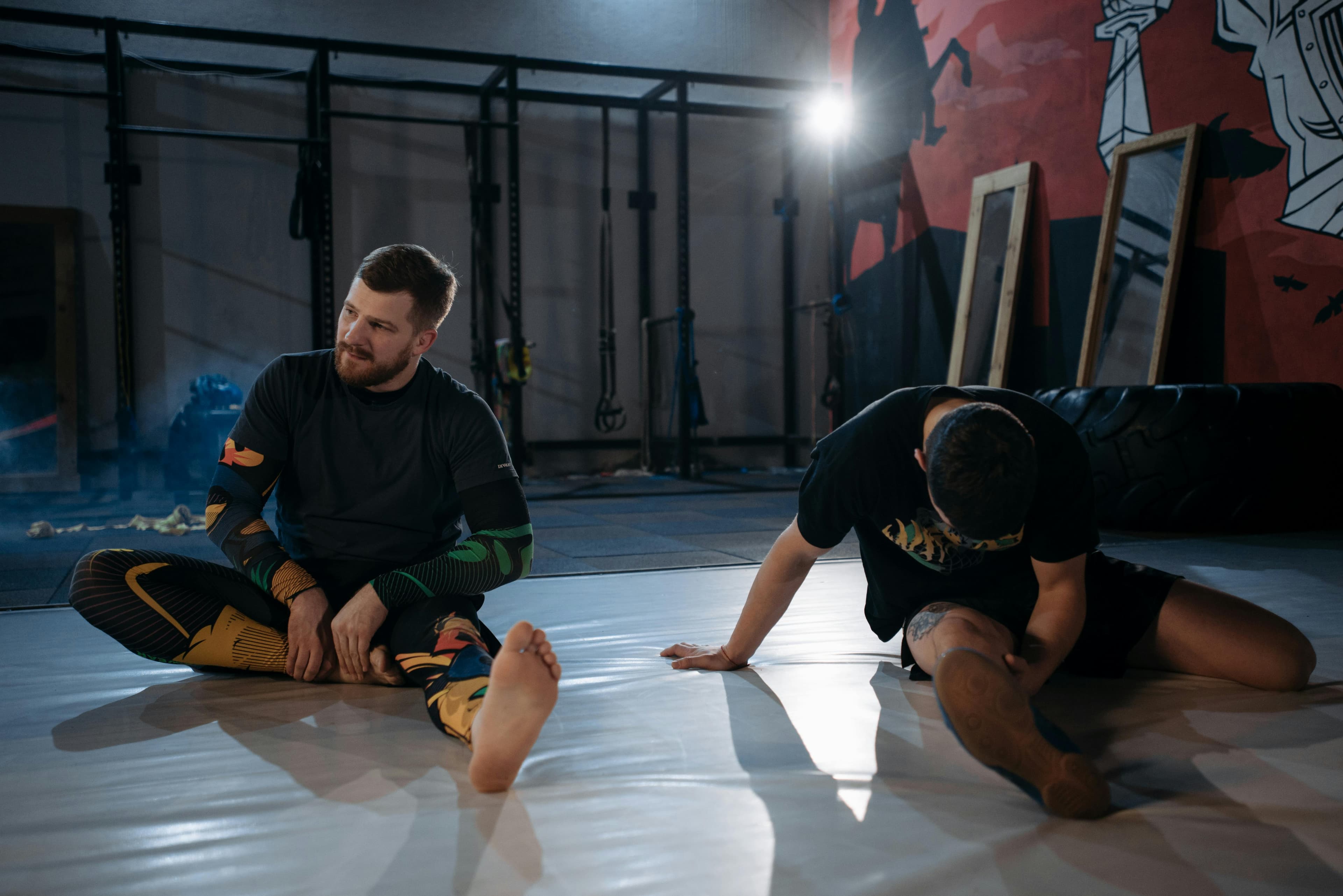
What Is Jumper's Knee?
Jumper's knee (patellar tendinopathy) is an overuse injury affecting the patellar tendon, which connects your kneecap to your shinbone. It causes pain just below the kneecap, especially during jumping, squatting, or climbing stairs.
Treatment Approach
The gold standard treatment is load management combined with progressive strengthening. Complete rest is usually not recommended—controlled loading helps tendons heal stronger.
Phase 1: Pain Management (Weeks 1-2)
Reduce aggravating activities: Avoid jumping and deep squatting temporarily.
Isometric exercises: Hold a wall sit or leg extension at 45 degrees for 45 seconds, 5 times daily. Research shows this reduces pain immediately.
Ice: 15-20 minutes after activity if painful.
NSAIDs: Short-term use may help, but consult a healthcare provider.
Phase 2: Strength Building (Weeks 2-8)
Eccentric exercises: The most evidence-based treatment.
Decline squat protocol:
Heavy slow resistance: Squats, leg press, and leg extensions at slow tempo (3 seconds up, 3 seconds down).
Phase 3: Return to Sport (Weeks 8-12+)
Gradually reintroduce jumping:
Progress only if pain stays below 3/10 during and after activity.
Recovery Timeline
When to Seek Professional Help
This information is for educational purposes only. Jumper's knee requires proper diagnosis. Consult a sports medicine professional or physical therapist for personalized treatment.
Disclaimer
This article is for informational purposes only and does not constitute medical advice. Individual results may vary. Consult a qualified professional before starting any training program.
Ready to measure your jump?
Find out your vertical jump height in 60 seconds
Related Articles

Ankle Sprain Prevention for Basketball: Protect Your Ankles
Learn how to prevent ankle sprains in basketball and jumping sports. Evidence-based strategies including exercises, taping, and proper footwear.
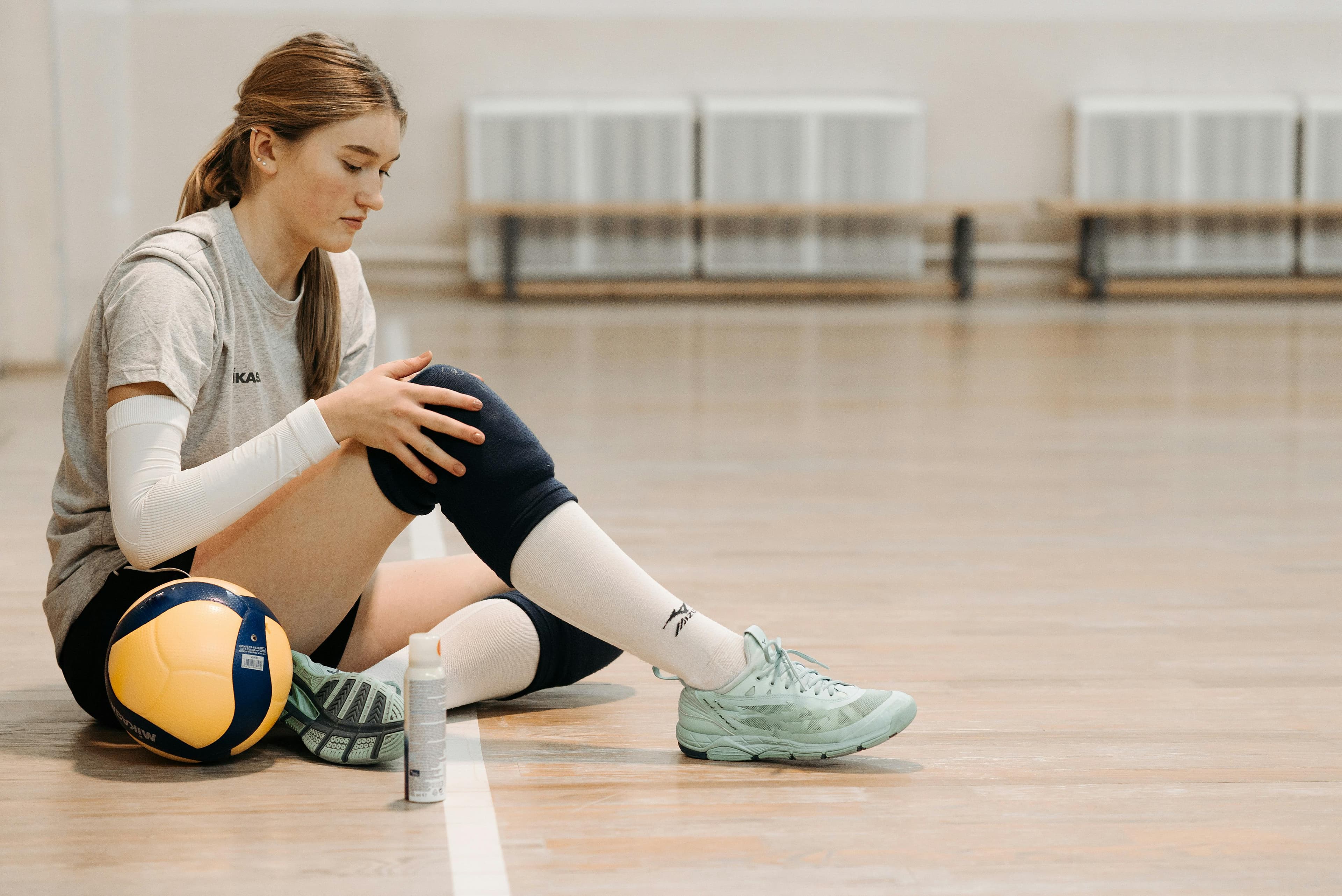
How to Prevent Knee Pain from Jumping: Complete Guide
Evidence-based strategies to prevent knee pain from jump training. Learn proper mechanics, strengthening exercises, and recovery protocols.
Knee Pain from Jumping: Causes, Prevention, and Solutions
Understanding knee pain from jumping activities. Learn the common causes, warning signs, and evidence-based strategies to protect your knees.