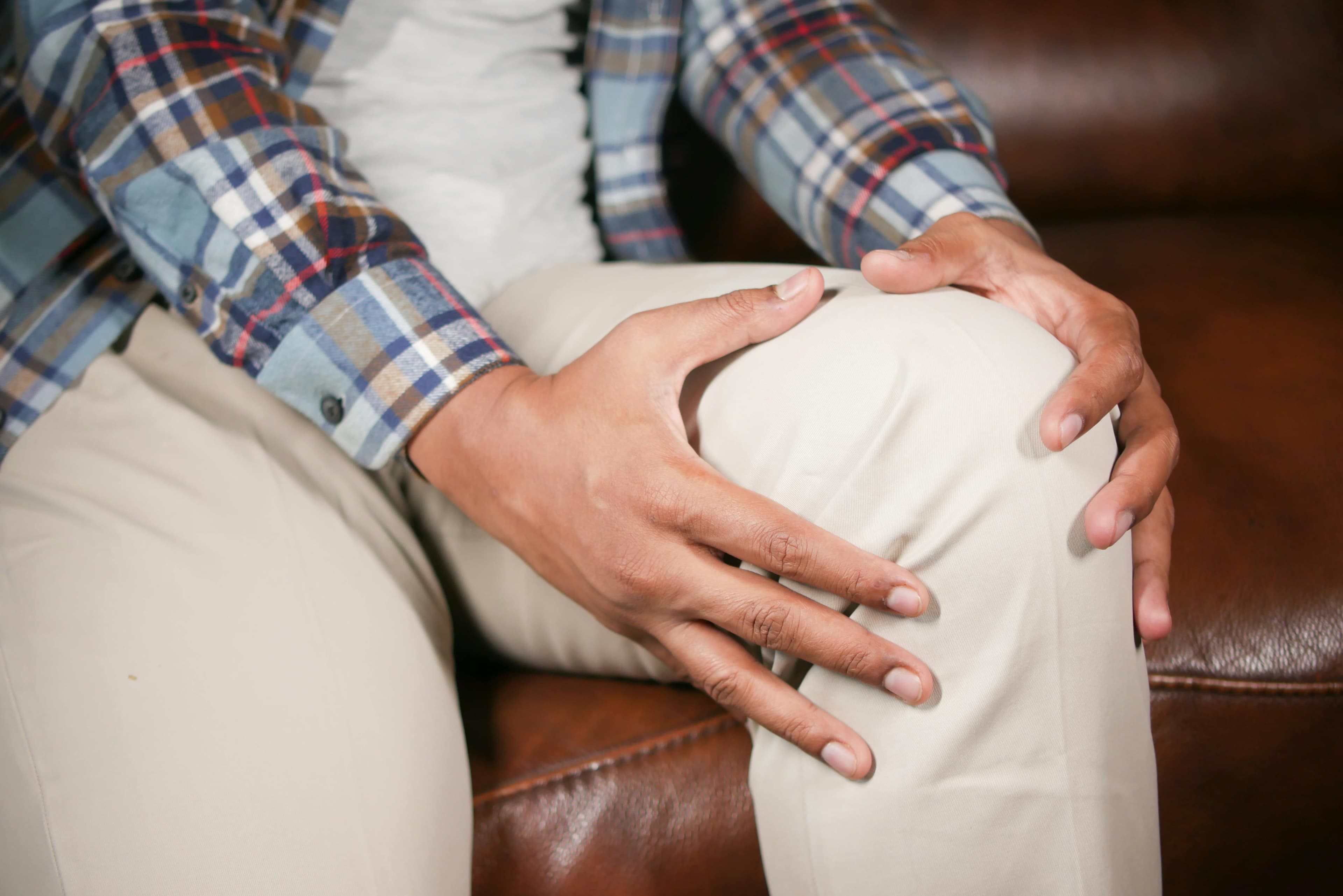
Why Jumping Causes Knee Pain
Jumping places enormous stress on your knees—up to 7-11 times your body weight during landing. The patellar tendon, which connects your kneecap to your shinbone, absorbs much of this force. Repeated stress without adequate recovery leads to pain and injury.
Common Causes
Patellar tendinopathy (Jumper's Knee): The most common cause, affecting up to 45% of elite volleyball players. Pain is typically felt just below the kneecap.
Patellofemoral pain syndrome: Pain around or behind the kneecap, often from poor tracking or muscle imbalances.
Overtraining: Too much volume, too fast progression, or insufficient rest.
Poor landing mechanics: Landing with straight legs or knees collapsing inward.
Muscle weakness: Weak quadriceps, hamstrings, or glutes increase knee stress.
Warning Signs
Prevention Strategies
When to Seek Help
See a healthcare provider if:
This information is for educational purposes only. Knee pain has many causes. Consult a healthcare professional for proper diagnosis and treatment.
Disclaimer
This article is for informational purposes only and does not constitute medical advice. Individual results may vary. Consult a qualified professional before starting any training program.
Ready to measure your jump?
Find out your vertical jump height in 60 seconds
Related Articles

Ankle Sprain Prevention for Basketball: Protect Your Ankles
Learn how to prevent ankle sprains in basketball and jumping sports. Evidence-based strategies including exercises, taping, and proper footwear.
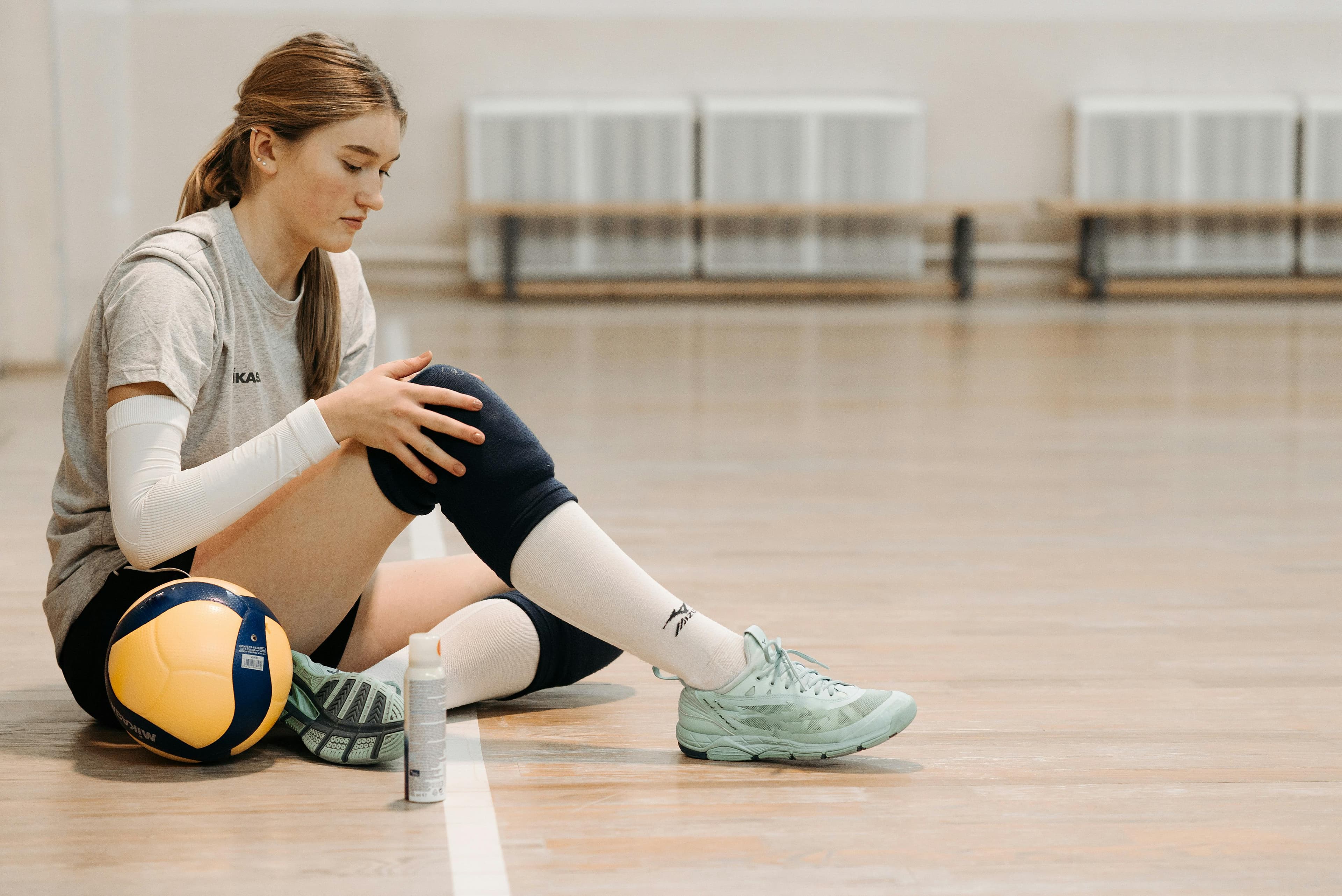
How to Prevent Knee Pain from Jumping: Complete Guide
Evidence-based strategies to prevent knee pain from jump training. Learn proper mechanics, strengthening exercises, and recovery protocols.
Jumper's Knee Treatment: Recovery Guide for Athletes
Evidence-based treatment options for jumper's knee (patellar tendinopathy). Learn rehabilitation exercises, recovery timelines, and when to seek help.