Highest Vertical Jump Ever Recorded
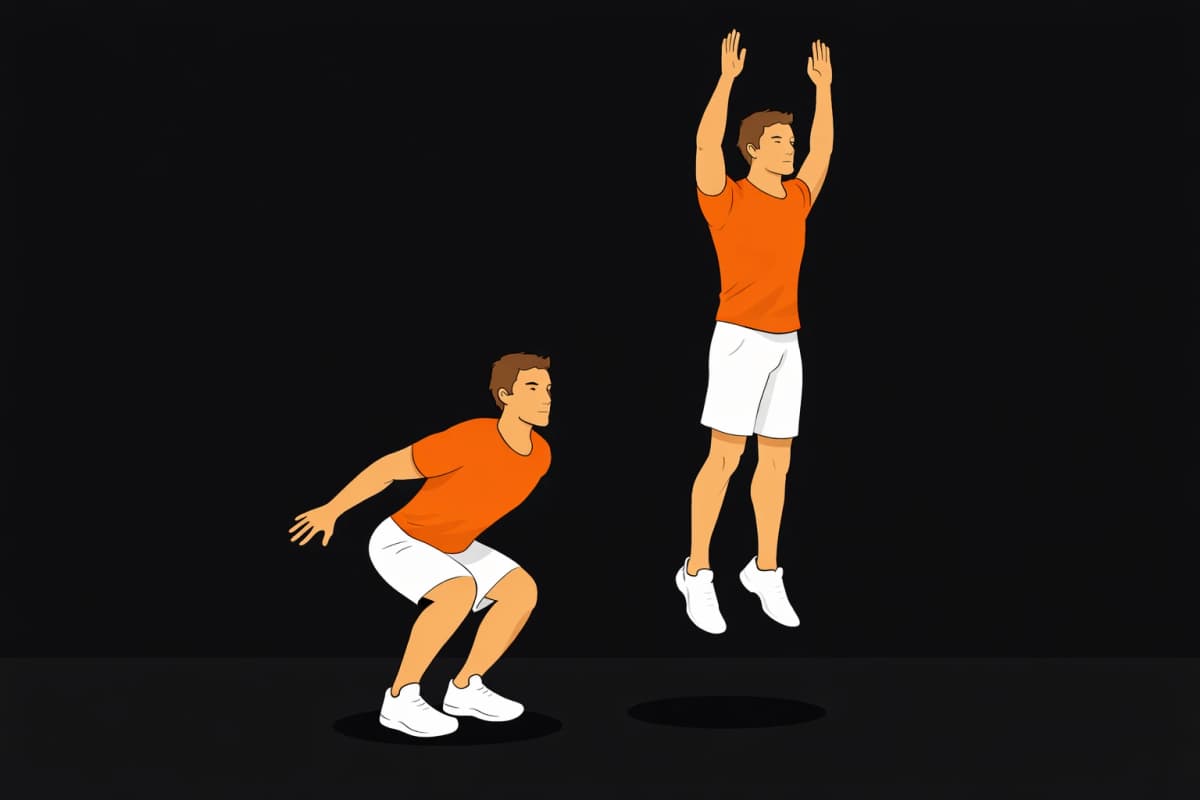
The highest vertical jump ever officially recorded is 46 inches by DJ Stephens at the 2013 NBA Draft Combine. Learn about the top vertical jump records in history.

Free Vertical Jump Test
Measure your vertical jump in 60 seconds
What Is the Highest Vertical Jump Ever Recorded?
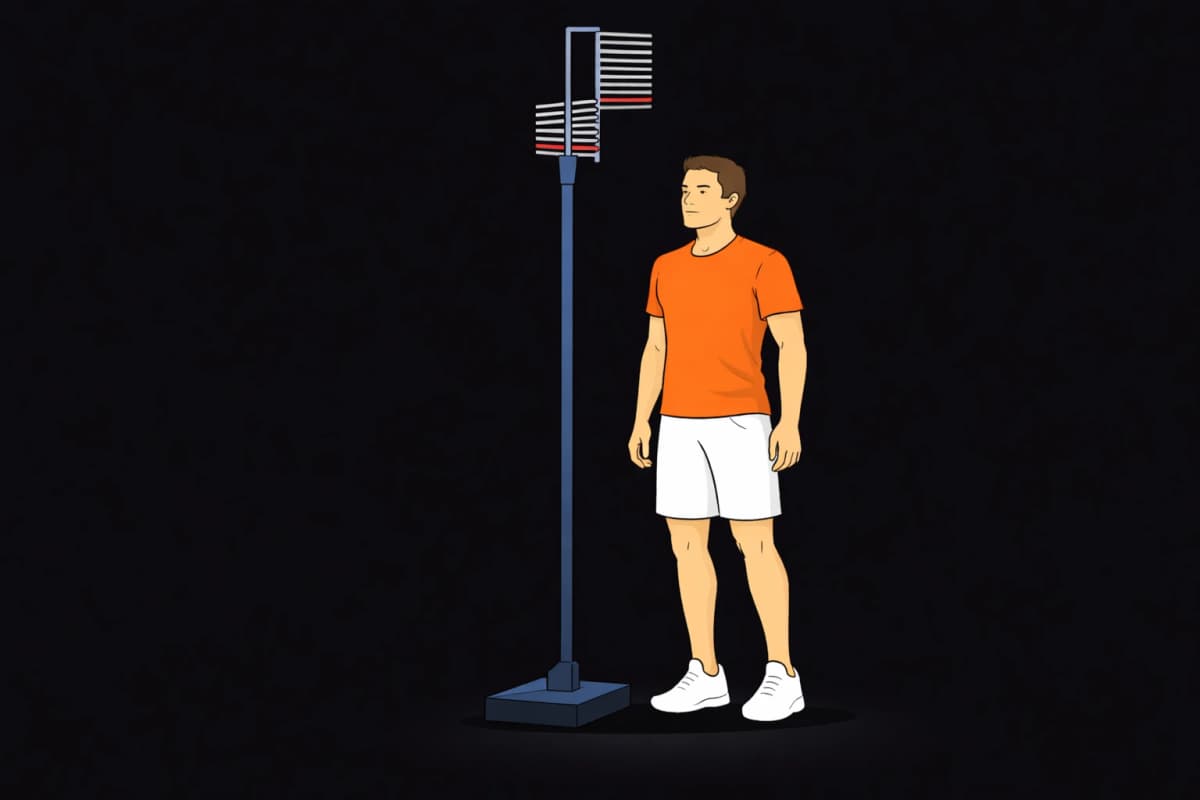
The highest vertical jump ever recorded in an official, standardized setting is 46 inches, achieved by DJ Stephens at the 2013 NBA Draft Combine. This measurement was taken using a Vertec device under controlled conditions, making it the most reliable record in basketball history.
Outside of the NBA Combine, several athletes have claimed higher numbers, but verification matters. Let's separate the confirmed records from the viral legends.
Quick Answer
The official record is 46 inches by DJ Stephens (2013 NBA Draft Combine). Unverified claims go higher, but no lab-tested vertical has exceeded 48 inches.
Official NBA Draft Combine Records
The NBA Draft Combine is the gold standard for vertical jump testing. Every prospect is measured under identical conditions using a Vertec device, with both a standing vertical (no-step) and a max vertical (running approach) recorded.
| Player | Year | Max Vertical | Standing Vertical |
|---|---|---|---|
| DJ Stephens | 2013 | 46.0" | 40.0" |
| Kenny Gregory | 2001 | 45.5" | 39.0" |
| Keon Johnson | 2021 | 48.0" | 41.5" |
| Hamidou Diallo | 2018 | 44.5" | 37.0" |
| Zach LaVine | 2014 | 46.0" | 41.5" |
Note: Keon Johnson's 48-inch max vertical in 2021 may actually be the highest Combine measurement on record, though some sources question the consistency of testing protocols that year.
Unverified and Self-Reported Records
Several athletes have claimed verticals exceeding 50 inches, but none have been confirmed under lab conditions.
Kadour Ziani
Kadour Ziani, a French-Algerian professional dunker standing just 5'10", has been credited with a 60-inch vertical jump. While his dunking highlights are extraordinary, this number has never been measured in a controlled environment. At 5'10" with a roughly 7'8" standing reach, dunking with authority is impressive but does not require a 60-inch vertical.
Brett Williams
Brett Williams went viral with a claimed 67-inch box jump. However, a box jump is not the same as a vertical jump. In a box jump, the athlete tucks their knees at the top, landing on a raised platform. The actual center-of-mass displacement is significantly lower than the box height. A 67-inch box jump might correspond to a true vertical of 35 to 40 inches.
How High Can Humans Jump?
Based on current biomechanical research, the upper limit of the human vertical jump is approximately 46 to 48 inches for a true, lab-measured vertical leap. This ceiling is determined by:
- Muscle fiber composition — the ratio of fast-twitch to slow-twitch fibers
- Tendon elasticity — the ability of tendons to store and release energy
- Bodyweight-to-power ratio — lighter athletes with the same power output jump higher
- Neuromuscular coordination — how efficiently the brain recruits motor units during takeoff
Elite jumpers tend to have a combination of genetic advantages (high fast-twitch fiber percentage, long Achilles tendons) and years of specialized training.
How Does Your Vertical Compare?
Most recreational athletes jump between 16 and 24 inches. Even a 30-inch vertical puts you in the top tier of non-professional athletes. To see exactly where you stand and how far you are from dunking, try our free dunk calculator.
If you want to improve your numbers, check out our guide on how to jump higher with a science-based training approach.
Free Vertical Jump Test
Measure your vertical jump in 60 seconds