Standing vs Running Vertical Jump: What's the Difference?
Understand the difference between standing and running vertical jumps. Learn which one matters more for your sport and how to improve both.

Free Vertical Jump Test
Measure your vertical jump in 60 seconds
The Two Types of Vertical Jump
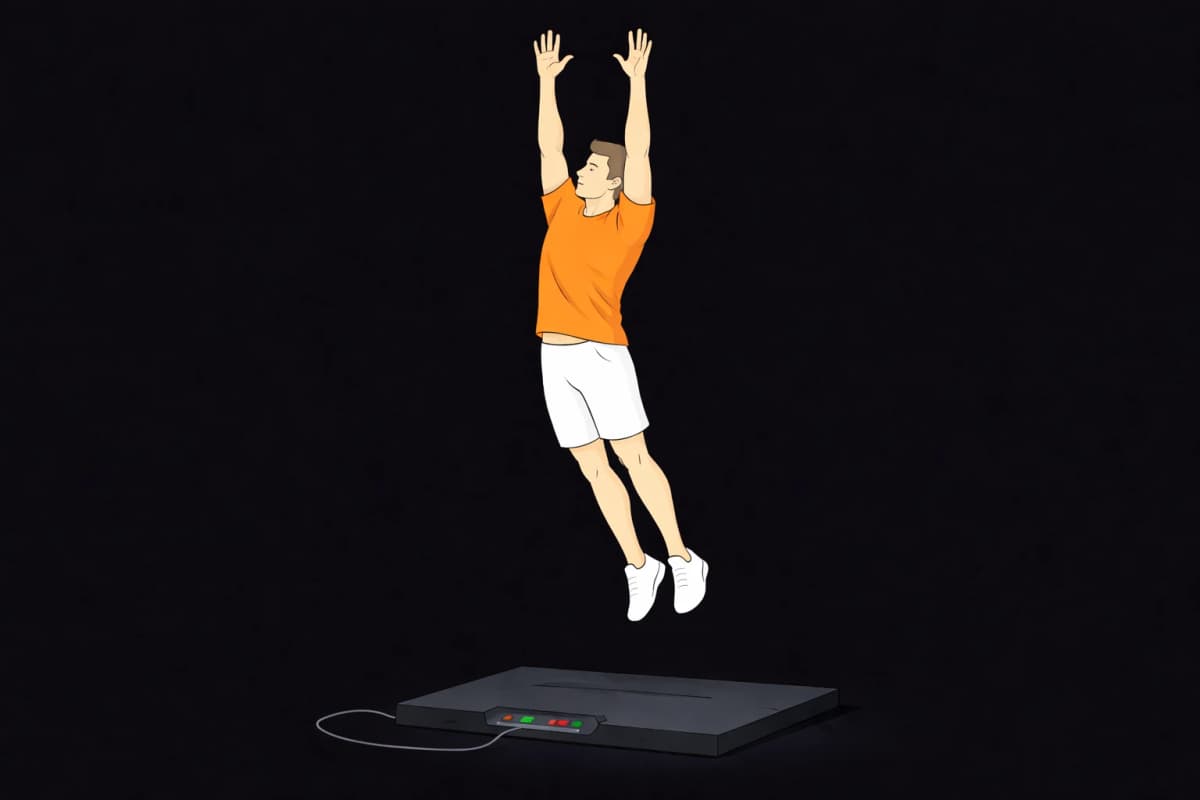
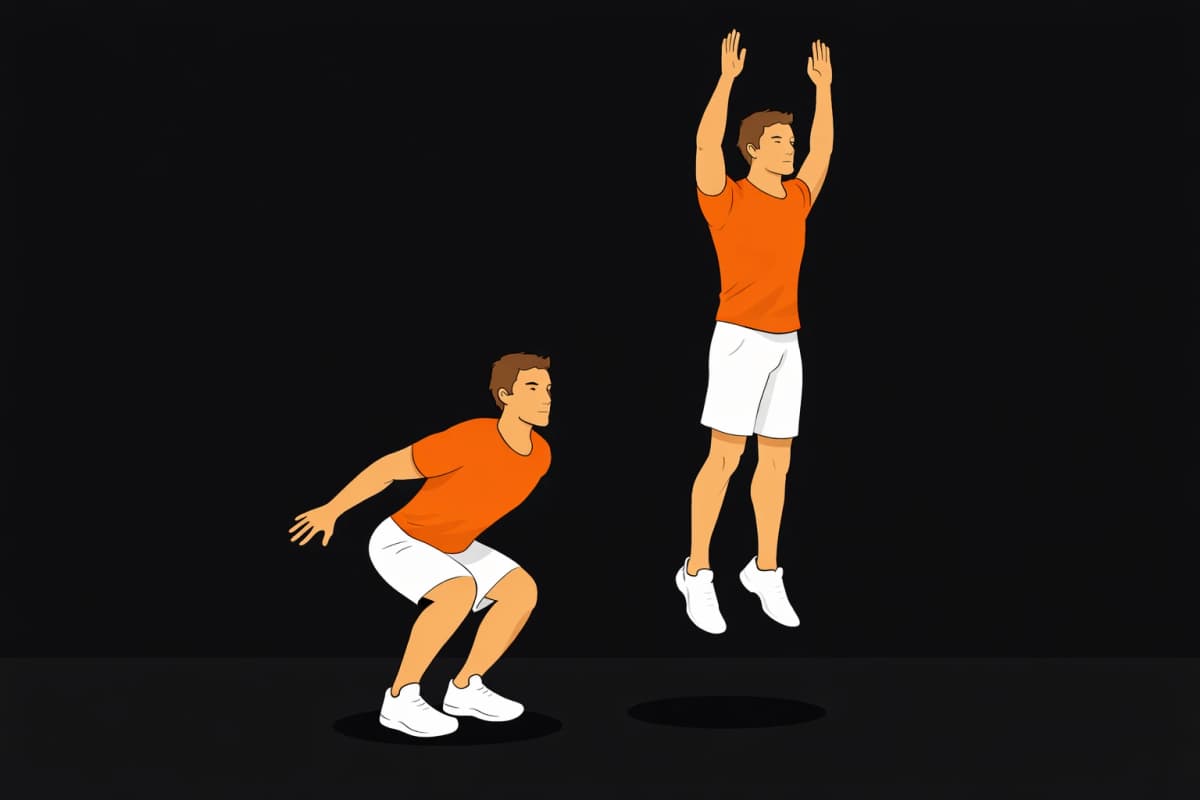
Standing Vertical (No-Step): Jump from a stationary position with both feet planted. This measures pure explosive power from the legs.
Running Vertical (Max Vertical): Jump with 1-3 approach steps. This adds horizontal momentum that converts to vertical height.
How Much Higher is the Running Jump?
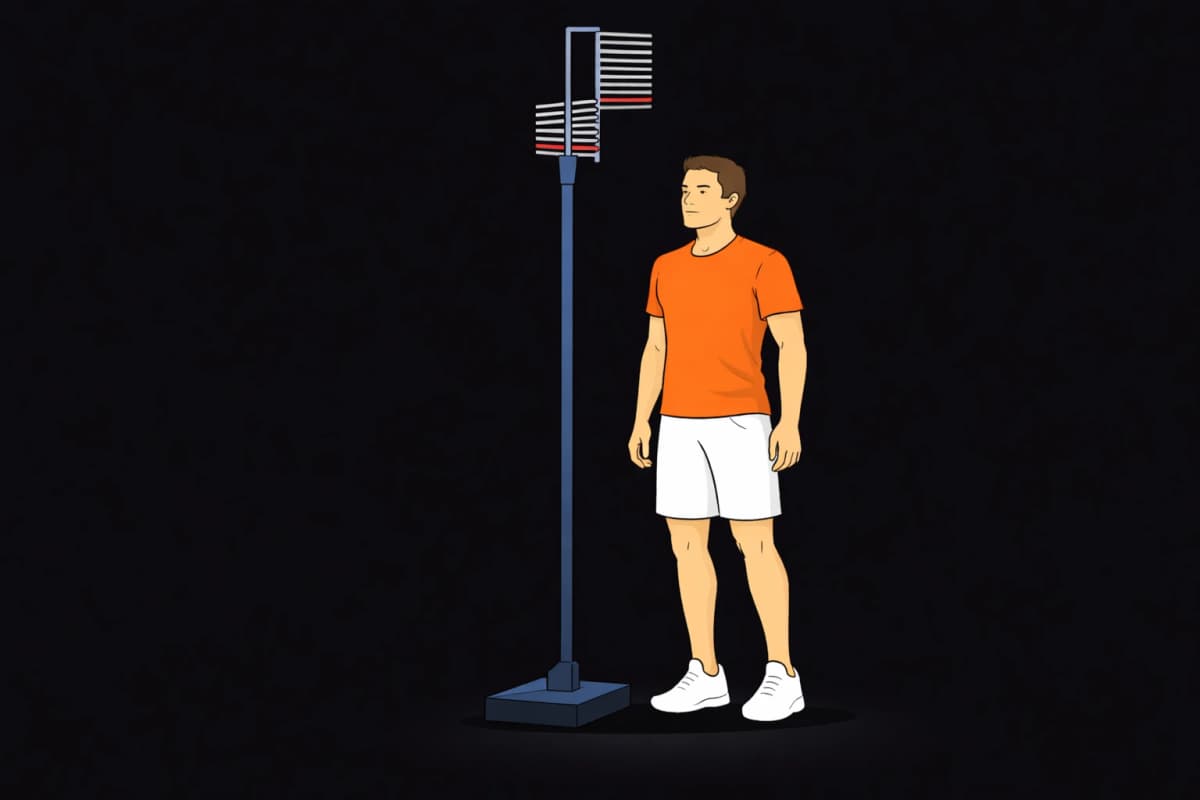
Most athletes jump 4-8 inches (10-20 cm) higher with an approach. At the NBA Draft Combine, the average difference is about 6 inches.
This difference comes from:
- Horizontal momentum converting to vertical force
- Better stretch-shortening cycle activation
- More time to generate force
Which Matters More?
It depends on your sport:
Basketball: Both matter. Standing vertical for rebounds in traffic, running vertical for dunks and blocks.
Volleyball: Running vertical is more important since most attacks come off an approach.
Football: Standing vertical is often tested, but game situations vary.
Training Implications
If your running vertical is much higher than standing (more than 8 inches difference), you may have good reactive ability but need more strength work.
If the difference is small (less than 4 inches), you might benefit from plyometric training to improve your stretch-shortening cycle efficiency.
Free Vertical Jump Test
Measure your vertical jump in 60 seconds